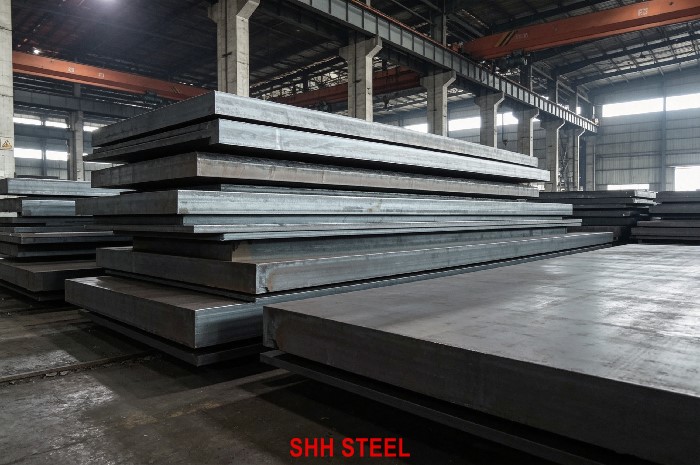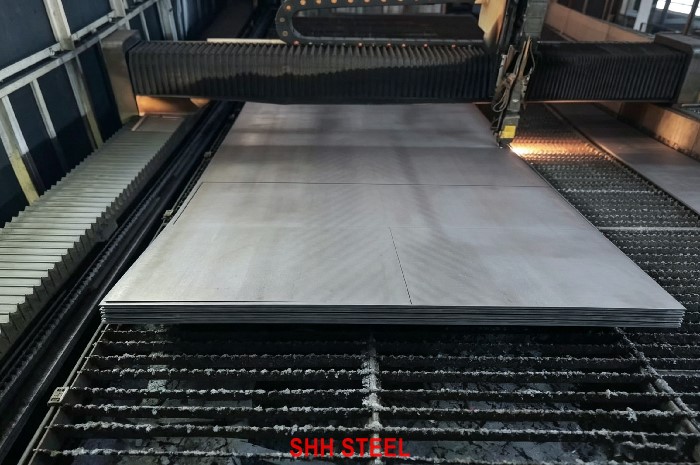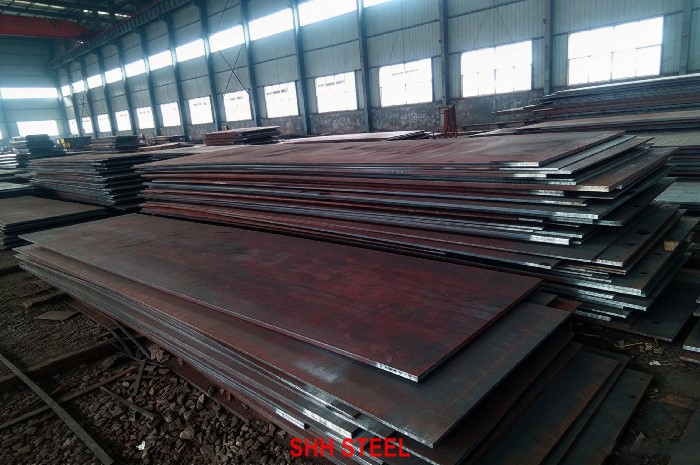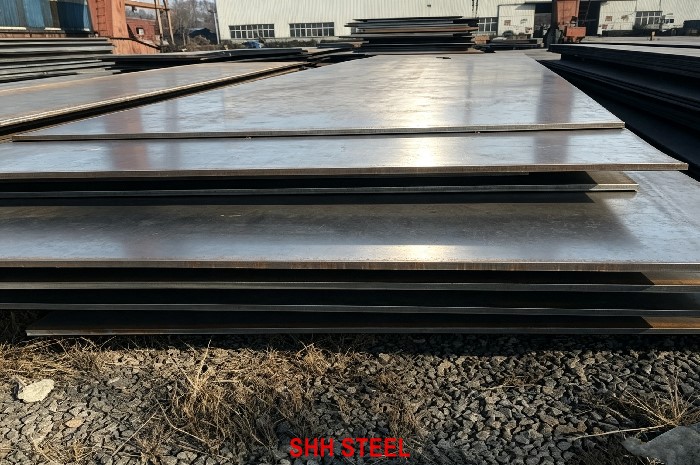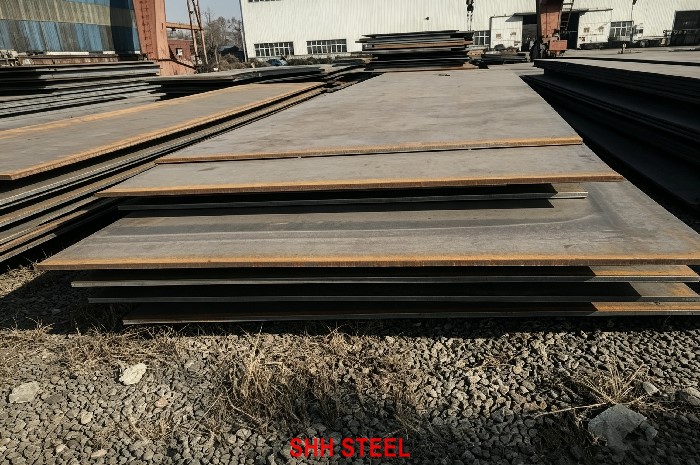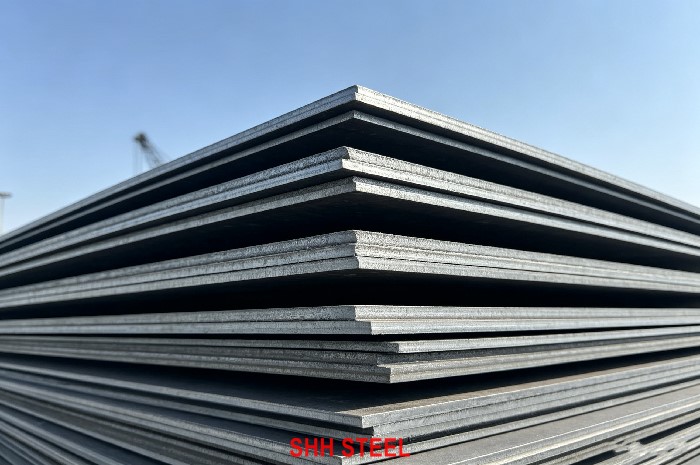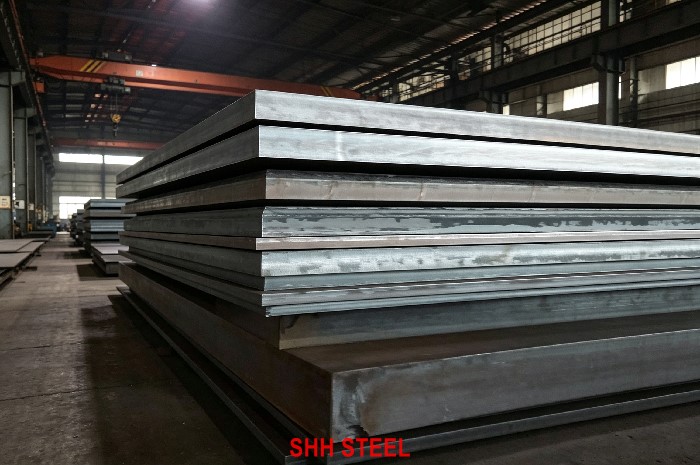
GB/T 1299 7CrSiMnMoV Tool Steel Plate
What is GB/T 1299 7CrSiMnMoV tooling plate?
GB/T 1299 7CrSiMnMoV Tool Steel Plate identifies formal grade 7CrSiMnMoV, unified numeric code T20104, Table 1 row 3-11 of GB/T 1299-2000. Its own row specifies a tempering temperature and permits oil or air cooling; neither item is borrowed from the adjacent oil-only cold-work rows.
This is an edition-specific historical technical draft. The officially current standard is GB/T 1299-2025, effective 2026-05-01; its complete chemistry tables have not been verified for this article. Do not treat the historical values below as a current-edition certificate. The 2014 edition had already replaced the earlier GB/T 1298-2008 carbon-tool standard; the 2025 edition also absorbs GB/T 33811-2017 plate requirements. Neither later merger expands the old 2000 bar/flat acceptance scope by implication. [S1, S2]
The 2000 scope covers hot-rolled, forged, cold-drawn and bright bars; its chemistry also applies to ingots, billets and products. Hot-rolled and forged flat bars are addressed separately in the dimensional clauses. A commercial plate enquiry therefore needs a stated flat-bar or independently agreed plate acceptance basis: the bar specimen response is not an arbitrary plate-thickness guarantee. [S1 §1, §4]
SHH STEEL produces and exports 7CrSiMnMoV tooling stock to an agreed specification and documented inspection basis. The existing GB/T 1299 hub is a navigation reference, not a new grade classification.
For plate supply, use this historical grade chemistry together with an expressly agreed product and inspection specification; bar and flat-steel provisions do not automatically establish rolled-plate conformity.
Material specification for 7CrSiMnMoV
| Item | Historical source / qualification |
|---|---|
| Grade / edition | 7CrSiMnMoV; GB/T 1299-2000, Table 1 row 3-11 |
| Unified code | T20104; code for this grade, not a separate grade |
| Source family | Cold-work die steel |
| Default delivery | Annealed under §5.2; do not infer prehardened delivery |
| Delivery hardness | ≤235 HBW 10/3000; Table 3 |
| Specimen response | 60 HRC minimum after the source hardening test; not delivery HRC |
| Form | Bar/flat-bar requirements are not automatic rolled-plate acceptance |
| Edition status | Historical 2000 basis; not complete current 2025 requirements |
Cast-analysis composition of 7CrSiMnMoV
Table 1, read with Amendment No. 1 for other-element allocation, gives melting/cast-analysis requirements, mass percent. Residual copper and combined copper-plus-nickel requirements are added from §5.1.3, not omitted because their cells are outside the named alloy row. [S1 printed pp4–5]
| Element / residual condition | Mass % |
|---|---|
| Carbon (C) | 0.65–0.75 |
| Silicon (Si) | 0.85–1.15 |
| Manganese (Mn) | 0.65–1.05 |
| Phosphorus (P) | ≤0.030 |
| Sulfur (S) | ≤0.030 |
| Chromium (Cr) | 0.90–1.20 |
| Molybdenum (Mo) | 0.20–0.50 |
| Vanadium (V) | 0.15–0.30 |
| Residual copper (Cu) | ≤0.30 |
| Residual Cu + Ni | ≤0.55 |
Unquoted alloy cells are not zero-residual guarantees. Product-analysis permissible deviations are referred by §5.1.4 to GB/T 222-1984 Table 2; no unverified numeric deviation is added to these cast-analysis limits. A certificate must identify cast versus product analysis. The special reduced-molybdenum agreement in §5.1.2 applies to 5CrNiMo, not this grade.
Delivery hardness and specimen response for 7CrSiMnMoV
Delivery hardness and specimen-test response apply in the historical source’s stated product and test context. For plate orders, agree the supplied condition, hardness, dimensions, surface quality, decarburization, sampling and inspection separately; specimen results do not guarantee full-section plate or finished-tool hardness.
The Table 3 delivery requirement is ≤235 HBW 10/3000, and the hardening-test response is at least 60 HRC. The Brinell entry is a maximum, not a hardness band.
| Acceptance item | Requirement / meaning |
|---|---|
| Supplied annealed stock | ≤235 HBW 10/3000 |
| Hardened specimen | ≥60 HRC under the source test conditions |
| Routine test exemption | §5.4.1 permits omission of the specimen test where the supplier guarantees conformity; the response requirement remains |
| Actual finished tool | Agreed separately for the real geometry and qualified production process |
This is normative historical delivery/response acceptance, not an informative tempering-curve estimate. No tensile strength, impact energy, service temperature or plate-through-hardness is inferred. [S1 §5.4/Table 3]
Delivery condition and reference hardening test for 7CrSiMnMoV
Annealed delivery is the default. Table 3 gives specimen hardening at 870–900 °C, oil or air cooling, and tempering at 150 ±10 °C followed by air cooling, with minimum response 60 HRC. No preheat is printed for this row. [S1 printed p7]
The row’s oil-or-air choice is not reduced to oil alone. Table 3 note 1 defines holding after reaching temperature and distinguishes heating media; no universal production soak is inferred. Note 2 specifies temper duration for 200 °C and 550 °C, not this 150 °C row, so no unprinted temper duration is added. These are source specimen conditions, not arbitrary plate-section guarantees.
Welding and surface processing 7CrSiMnMoV
7CrSiMnMoV is tooling stock rather than a generic weldable structural plate. Repair welding needs a qualified procedure addressing carbon/alloy content, prior treatment, restraint, crack risk and subsequent inspection. No unsupported preheat, interpass or post-weld temperature is prescribed.
Thermal cutting, grinding and EDM may alter the working surface. Specify cleanup allowance, edge preparation and inspection of critical tool features; a conforming heat analysis alone does not prove an undamaged finished edge.
Flat/plate dimensions and surface acceptance
Clauses 4.1–4.5 refer the respective hot-rolled, forged, cold-drawn and flat-bar forms to their named dimensional standards and agreed groups. Clause 4.6 sends other materials/products to the relevant national/industry standard, or supplier/purchaser agreement where none applies. Do not relabel a bar tolerance as a plate tolerance. [S1 printed p2]
Flat-steel surface quality is agreed under §5.8.4. Flat-steel decarburization, and round/side-size stock above 150 mm, are agreement matters under §5.6.1; the round/side-size formulas in Table 5 are not plate-thickness guarantees. Agree flatness, surface, edge quality and cleanup material for the actual form. No unverified plate capacity range or mill stock availability is asserted.
Applications and selection limits for 7CrSiMnMoV
Qualitative engineering selection for 7CrSiMnMoV can include cold-work die blanks, forming inserts and supported tooling components. Its own row specifies a tempering temperature and permits oil or air cooling; neither item is borrowed from the adjacent oil-only cold-work rows. These application suggestions do not add normative tool-life, impact-energy or load ratings to the specification.
Match working-edge support, wear mechanism, section, processing route and inspection to the actual tool. The specified specimen HRC is a material response check; it does not predict distortion or guarantee full-section hardness in a purchased plate blank.
Compare 7CrSiMnMoV with three live own product pages
These three own product pages were verified live for this batch. They are explicit material-selection contrasts, not unpublished drafts or asserted equivalents.
| Published own product | Material distinction | Acceptance distinction | Selection caution |
|---|---|---|---|
| JIS G4401 SK105 Tool Steel Plate | Carbon tool steel contrast, not a certified counterpart | Published JIS product/condition basis; do not import this GB bar test | Review carbon, alloying, supplied condition and actual plate scope |
| JIS G4401 SK120 Tool Steel Plate | Carbon tool steel contrast, not a certified counterpart | Published JIS product/condition basis; do not import this GB bar test | Review carbon, alloying, supplied condition and actual plate scope |
| ASTM A829 4140 Alloy Steel Plate | Engineering alloy plate contrast | Chemistry-ordered plate, not this tool-steel specimen acceptance | A readily compared plate page is not substitution approval |
Country differences and substitution limits for 7CrSiMnMoV
Country comparisons below deliberately distinguish actual source windows from unsupported trade-name substitutions. A comparison entry is not an automatic equivalent. [S1 Annex B; S4; S5]
| Country / system | Designation and verified difference | Substitution limit |
|---|---|---|
| China | 7CrSiMnMoV, GB/T 1299-2000; cast C 0.65–0.75 %, delivery ≤235 HBW 10/3000 | Current GB/T 1299-2025 requires separate full-table verification |
| Japan | JIS G4401:2009 SK105 carbon-tool contrast: C 1.00–1.10 and Si 0.10–0.35 %, versus GB C 0.65–0.75 and Si 0.85–1.15 %. | No corresponding JIS alloy grade established here; JIS decarburization HV is not this hardening-test HRC |
| United States | No association is printed in GB2000 Annex B for this row. A681-08 O1 is only a contrast: C0.85–1.00 and Mn1.00–1.40 %, versus GB C0.65–0.75 and Mn0.65–1.05 %. No automatic O1 alias or foreign cycle. | Informative association or selected window overlap is not identical chemistry, form, delivery condition or specimen acceptance |
| Germany / ISO-based procurement | No exact DIN/EN/ISO counterpart established by the cited GB table; specify the actual national adoption and edition | Do not inherit an ISO steel number or a later national chemistry window from a commercial cross-reference |
Why choose SHH STEEL for 7CrSiMnMoV
SHH STEEL produces and exports 7CrSiMnMoV tooling stock with an explicit edition and product-form agreement. We distinguish cast chemistry, delivery hardness and reference specimen response rather than advertising a universal final-tool hardness.
- Review the actual plate or flat manufacturing and acceptance basis.
- Maintain heat identification and agreed inspection reporting.
- Review substitutions against complete source editions.
- Agree any optional condition or supplementary testing before confirmation.
Inspection and enquiry planning for 7CrSiMnMoV
| Enquiry item | Required detail |
|---|---|
| Grade and standard | 7CrSiMnMoV; state the governing edition rather than only GB/T 1299 |
| Product form | Flat bar or independently specified plate; manufacturing route and finish |
| Dimensions | Thickness × width × length, quantity and machining allowance |
| Condition and hardness | Annealed; ≤235 HBW 10/3000 on the historical basis, or expressly agreed different requirement |
| Test verification | Cast/product analysis, delivery hardness, specimen-test guarantee/report requirement and sampling basis |
| Inspection | Certificate type, heat traceability, surface/decarburization and any additional agreed quality checks |
| Final tooling / logistics | Duty, final-tool acceptance, treatment responsibility, packing, destination and timing |
Requested sizes and processes are reviewed for feasibility; this draft is not an unconditional stock or production-performance commitment.
Request a quotation
Request a quotation for GB/T 1299 7CrSiMnMoV tooling plate or flat stock by email. State the governing edition, actual product form and manufacturing route, quantity, dimensions, drawing, finish and machining allowance. For ordinary rolled plate, identify the separate applicable plate acceptance basis rather than relying only on the historical bar specification.
Confirm the supplied condition and hardness acceptance: this historical annealed row gives ≤235 HBW 10/3000. Specify cast versus product analysis, inspection-document type, traceability, sampling and whether a hardening-test report or an agreed supplier conformity guarantee is required. The source minimum 60 HRC is a specimen-response requirement, not your final tooling specification.
Include surface and decarburization acceptance, flatness and dimensional tolerances, critical edge preparation, cutting requirements and any supplementary NDT or microstructure checks with agreed methods and criteria. Describe tool duty, final properties and production-treatment responsibility separately. For a proposed substitute, attach its complete governing specification and drawing for review. Provide packing, delivery destination and target timing; feasibility and any optional condition are confirmed before acceptance.
Email only: admin@steelspecs.com
Quality Steel Needed? Inquire for Offers
Related Products