ASTM A240 UNS N08811 Stainless Steel Sheet
What is ASTM A240 UNS N08811 Stainless Steel Sheet?
Equivalent grades: UNS N08811 ≈ EN 1.4959 X8NiCrAlTi32-21 (nearest) ≈ EN 1.4876 X10NiCrAlTi32-21 (nearest).
UNS N08811 is a iron-nickel-chromium heat-resistant grade. N08811 is the high-temperature version of the 32Ni-21Cr Fe-Ni-Cr family (N08800 / N08810 / N08811). Its carbon range of 0.06–0.10 %, Al + Ti of 0.85–1.20 % and a coarse grain from a high solution-anneal temperature give the highest creep-rupture strength of the three, for service above about 600 °C.
ASTM A240/A240M covers chromium, chromium-nickel and chromium-manganese-nickel stainless steel plate, sheet and strip for pressure vessels and general applications. Under ASTM A480, sheet is flat material under 5.00 mm thick and 600 mm or more wide, so UNS N08811 sheet is a cold-rolled 2B/2D product in thin gauges and a hot-rolled, annealed and pickled No.1 product toward the 4.75 mm end.
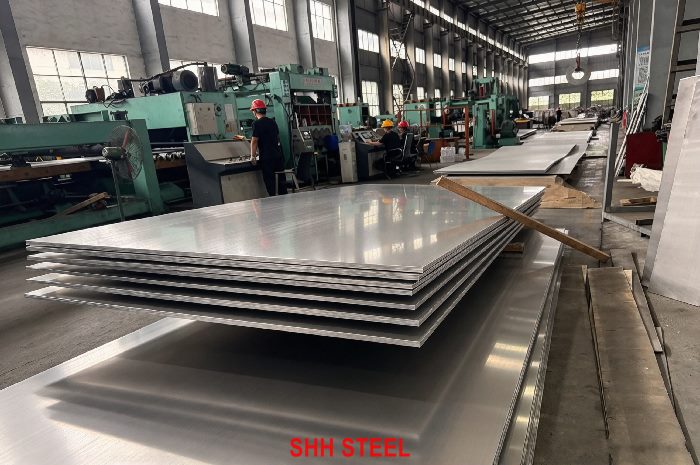
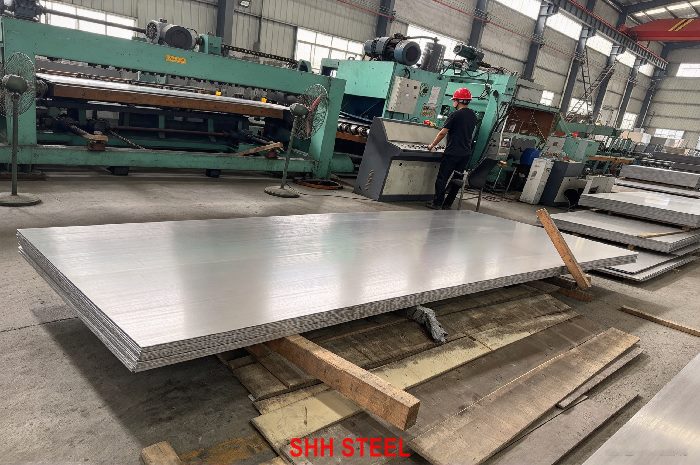
This page sets out the ASTM A240/A240M requirements for UNS N08811 sheet: specification summary, chemistry, mechanical properties, high-temperature behaviour, heat treatment, finishes and tolerances, current stock, equivalents, fabrication and testing. SHH STEEL supplies it mill-direct from China with EN 10204 3.1 certificates, optional third-party inspection and in-house cutting.
UNS N08811 sheet: specification summary
| Item | UNS N08811 data |
|---|---|
| Standard | ASTM A240/A240M; general requirements ASTM A480/A480M |
| ASME counterpart | SA-240 (ordered for ASME Code construction) |
| Product form (A480) | sheet: under 5.00 mm thick, 600 mm and wider; plate 5.00 mm and over |
| Typical gauges | 0.5–3.0 mm cold-rolled 2B/2D; 3.0–4.75 mm hot-rolled No.1 |
| Widths | 1000, 1219, 1250, 1500 mm; slit coil to order |
| Lengths | 2000, 2438, 2500, 3000 mm or cut to size |
| Finishes | No.1, 2D, 2B; BA and No.4 by agreement |
| Required tests | heat analysis, tension test, hardness (and bend where the grade requires it) |
| Certificates | EN 10204 3.1; 3.2 with third-party witness on request |
| Grade family | heat-resistant |
Size range. Sheet is normally cold rolled from about 0.3–0.5 mm up to 3 mm and hot rolled from about 3 mm to just under 5 mm. Coil widths of 1000, 1219, 1250 and 1500 mm are standard; slitting and cut-to-length lines produce narrower strip and exact lengths. Sheets thinner than 0.5 mm or wider than 1500 mm should be confirmed before ordering. UNS N08811 is a specialty grade made by a limited number of mills in campaign rolling. Stock covers the common sizes listed below; for project quantities or unusual sizes, plan for a mill campaign and reserve the heat early.
Chemical composition of UNS N08811 (ASTM A240/A240M)
| Element | wt % |
|---|---|
| C | 0.06–0.10 |
| Si | 1.00 max |
| Mn | 1.50 max |
| P | 0.040 max |
| S | 0.015 max |
| Cr | 19.0–23.0 |
| Ni | 30.0–35.0 |
| Cu | 0.75 max |
| Ti | 0.25–0.60 |
| Al | 0.25–0.60 |
| Fe | 39.5 min |
Single values are maximums unless marked min. Ranges are heat (cast) analysis limits.
For heat-resistant grades the key elements are chromium (oxide scale), nickel (austenite stability, carburisation resistance) and silicon, aluminium or rare earths where present (scale adhesion). Sulfur and phosphorus are kept low to protect hot ductility and weldability.
Mechanical properties of UNS N08811 sheet
| Condition / thickness | Tensile strength, min | Yield strength 0.2 %, min | Elongation in 50 mm, min | Hardness, max |
|---|---|---|---|---|
| all thicknesses | 450 MPa (65 ksi) | 170 MPa (25 ksi) | 30 % | — |
The minimum proof strength is 170 MPa. For high-temperature design, room-temperature values are only an acceptance check; use creep and stress-rupture data from the standard’s informative annexes or the ASME allowable stresses where Code rules apply. Tension tests are taken in the direction stated in the standard; where a hardness limit is given, it is a maximum that confirms correct annealing.
High-temperature behaviour of UNS N08811
This is a heat-resistant grade: it is selected for oxidation resistance, strength and structural stability at high temperature rather than for wet corrosion. Chromium forms the protective oxide, nickel stabilises the austenite against thermal cycling and carburisation, and silicon, rare earths or nitrogen, where present, improve scale adhesion or creep strength. The maximum useful temperature in air depends on atmosphere, thermal cycling and load, so published scaling temperatures are a guide, not a design value.
Sulfur-bearing gases attack high-nickel alloys, while carburising or nitriding atmospheres favour higher nickel; vanadium-bearing ash and molten salts need special evaluation. Long exposure in the 600–900 °C range can form sigma phase in high-chromium grades and reduce room-temperature toughness, which matters for parts that are cleaned or repaired cold. Creep-rupture values are given in the standard’s informative annexes or by the mill and should be used for design instead of room-temperature strength.
How UNS N08811 compares with related grades
| Grade | Cr | Ni | Mo | N | PREN (min) | YS / Rp0.2 min, MPa |
|---|---|---|---|---|---|---|
| UNS N08811 | 19.0–23.0 | 30.0–35.0 | — | — | — | 170 |
| UNS S30815 | 20.0–22.0 | 10.0–12.0 | — | 0.14–0.20 | — | 310 |
| UNS S30900 | 22.0–24.0 | 12.0–15.0 | — | — | — | 205 |
| UNS S31000 | 24.0–26.0 | 19.0–22.0 | — | — | — | 205 |
| UNS N08330 | 17.0–20.0 | 34.0–37.0 | — | — | — | 205 |
Choose UNS N08811 when oxidation resistance and strength at temperature drive the selection. For wet corrosion at room temperature, a low-carbon corrosion-resistant grade is usually a better choice, and in sulfur-rich gases a lower-nickel grade may outperform a high-nickel one.
The table uses specification limits, not typical mill values, so it shows the guaranteed position of each grade. Final selection should also consider product availability in the thickness you need, welding consumables, and the inspection requirements of your project.
Heat treatment and delivery condition of UNS N08811
Heat treatment: 1150 °C min, rapid cooling; grain size ASTM 5 or coarser.
Heat-resistant plate is supplied solution annealed. For high-temperature service, a coarser grain size improves creep strength, while a finer grain improves fatigue and room-temperature ductility; where it matters, state the grain-size requirement on the order. Stress relief is not normally needed.
Surface finishes for UNS N08811 sheet
No.1 is hot-rolled, annealed and pickled, used for the 3–4.75 mm end of the sheet range. 2D is a dull cold-rolled, annealed and pickled finish that holds lubricant in deep drawing. 2B adds a light skin pass for a smoother, brighter surface and is the normal base for polishing. BA (bright annealed) and No.4 brushed finishes are available for many austenitic and ferritic grades by agreement. For highly alloyed grades, cold-rolled thin gauges are produced by fewer mills, so confirm the finish and gauge range before you fix a design.
Dimensions, tolerances and flatness
Thickness, width, length, flatness and camber tolerances follow ASTM A480/A480M. Cold-rolled sheet has tighter thickness tolerances than hot-rolled No.1 sheet. Higher-strength grades show more residual stress after slitting and laser cutting, so for laser blanks or long panels specify flatness and, where needed, tension-levelled material. Edge condition (mill or slit edge) and PVC film on one side should be stated on the order.
Ordering notes for A240 sheet. A240 refers to ASTM A480 for everything that is not grade-specific: definitions of sheet, strip and plate, dimensional tolerances, finishes, marking, retests and certification. A purchase order that says only “A240 N08811” therefore leaves several choices to the mill. State the finish (2B, 2D or No.1), the thickness tolerance basis, whether coil, slit coil or cut lengths are wanted, and whether the certificate must also show SA-240. If the sheet will be formed into vessel heads or pressure parts, say so, because some grades need specific heat-treatment records and supplementary tests that are only reported when requested. For export, also state the edition year if your specification fixes one; most mills certify to the current edition by default.
UNS N08811 sheet stock in China
| Thickness (mm) | Width (mm) | Length (mm) | Finish | Approx. quantity | Location |
|---|---|---|---|---|---|
| 0.5 | 1000 / 1219 | 2000 / 2438 | 2B | 100+ t | China |
| 0.8 | 1219 | 2438 | 2B | 100+ t | China |
| 1.0 | 1219 / 1250 | 2438 / 2500 | 2B | 100+ t | China |
| 1.5 | 1219 / 1500 | 2438 / 3000 | 2B | 100+ t | China |
| 2.0 | 1219 / 1500 | 2438 / 3000 | 2B | 100+ t | China |
| 3.0 | 1500 | 3000 | 2B / No.1 | 100+ t | China |
| 4.0 | 1500 | 3000 / 6000 | No.1 | 100+ t | China |
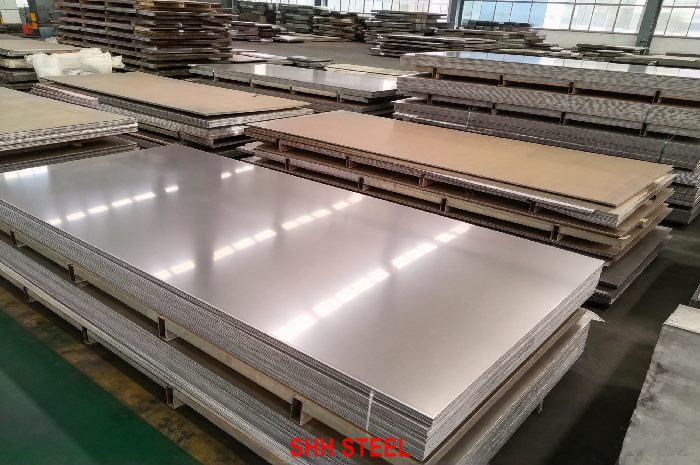
Quantities are approximate and stock changes daily. Send your size list for current availability; other thicknesses, widths and cut sizes can be supplied from mill production.
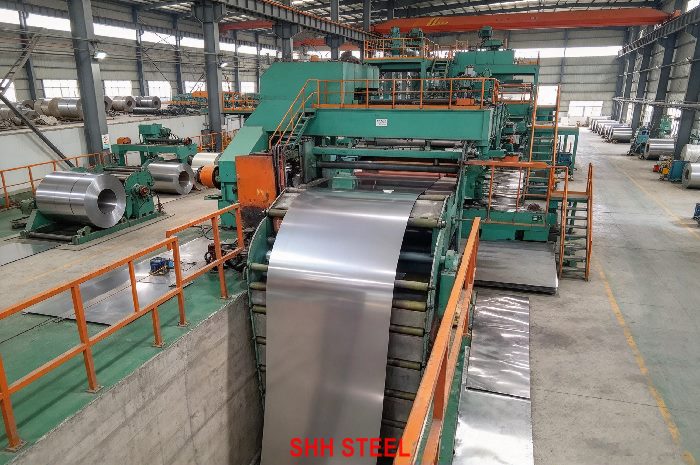
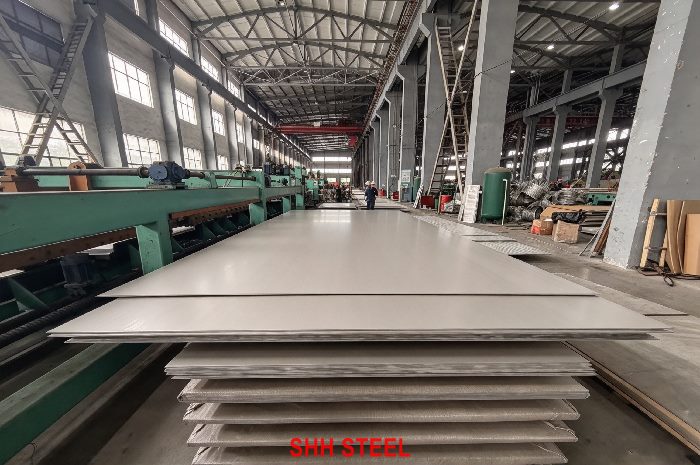
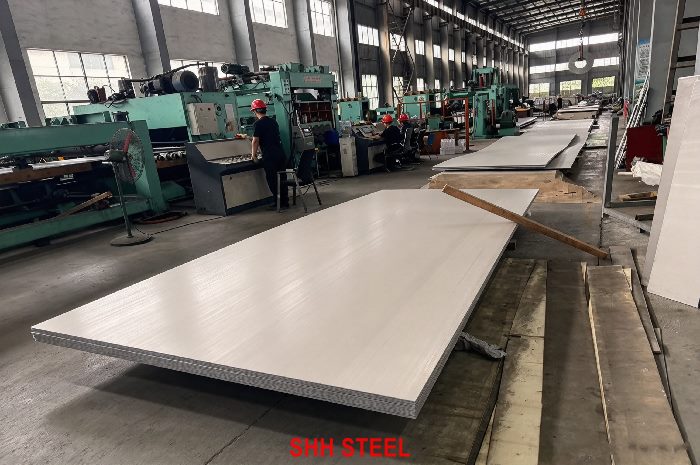
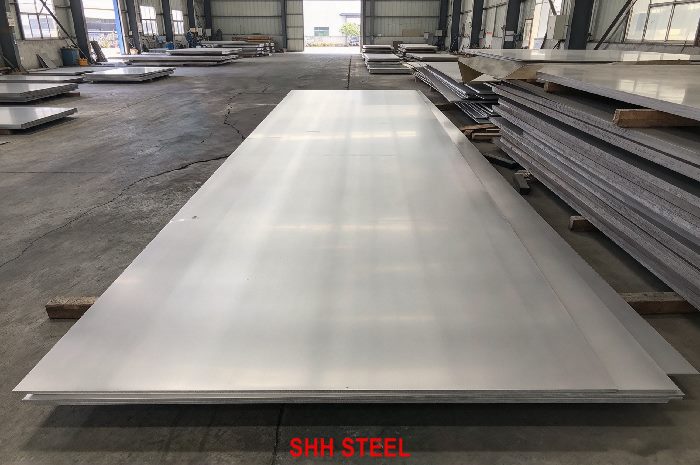
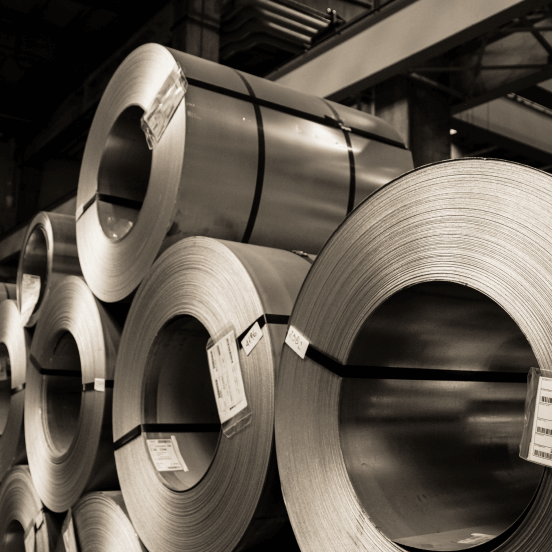
Packing and logistics. Sheet is packed on wooden or steel pallets with interleaving paper or PVC film, edge protectors and waterproof wrapping, typically 2–3 t per pallet. Coil is packed eye-to-wall or eye-to-sky with steel bands. We consolidate mixed grades and sizes into one container and send loading photos with the shipping documents.
UNS N08811 equivalents in other standards
| Standard | Designation | Comment |
|---|---|---|
| EN | 1.4959 X8NiCrAlTi32-21 | nearest grade only; limits differ, check before substituting |
| EN | 1.4876 X10NiCrAlTi32-21 | nearest grade only; limits differ, check before substituting |
Equivalents are close, not identical. When a project names one standard, order to that standard or ask for multiple certification and check every limit on the certificate.
Related grades by alloy family
Heat-resistant
Heat-resistant grades ranked by chromium, nickel and silicon: A240 S30908, A240 S31008, A240 S30909, A240 S31009, 1.4948 (EN 10028-7), 1.4950 (EN 10028-7), 1.4951 (EN 10028-7), A240 S30815, A240 S30900, A240 S31000, A240 N08330, 1.4845 (EN 10095).
Same grade, other specification
Applications, forming and welding of UNS N08811
Typical uses: ethylene and steam-methane reformer furnace parts, pigtails and headers, heat-treatment equipment, and high-temperature heat exchangers.
Heat-resistant plate is usually cut by plasma or waterjet, formed hot or cold, and welded with matching heat-resistant consumables. Cut by plasma, laser or waterjet and remove heat tint by pickling or grinding. For welding use a matching heat-resistant filler such as ER309, ER310 or ERNiCr-3 according to the service temperature. Keep the weld area clean and free of carbon-steel contamination, and pickle and passivate after welding where corrosion resistance matters.
Fabrication at temperature. Design furnace parts to allow for thermal expansion, which is about 1.5 times that of carbon steel, and avoid sharp corners where scale can spall. Welds should be full penetration where they carry load at temperature. For high-silicon grades, use low heat input to limit hot cracking. After long service, high-chromium plate may be embrittled by sigma phase, so repair welding of old parts needs care and sometimes a solution anneal first.
Certificates, testing and receiving inspection
Every delivery carries a mill certificate to ASTM A480/A480M with heat analysis, tensile results and hardness, and the grade and standard as ordered. Supplementary tests we can arrange: PMI, grain-size measurement (ASTM E112) where the grade requires it, elevated-temperature tensile tests by agreement, and ultrasonic testing of heavy plate. Third-party witness by SGS, BV, TÜV, DNV, ABS or LR is available with EN 10204 3.2 certificates.
On receipt, check marking and heat number against the certificate, measure thickness at several points and confirm the finish and edge condition before cutting.
Common mistakes when specifying UNS N08811
- Selecting by room-temperature strength instead of creep data.
- Substituting a low-carbon corrosion grade (for example 310S for 310) without checking creep strength.
- Ignoring the atmosphere: sulfur, carburising gas and vanadium ash change the ranking of grades.
Each of these can be avoided by writing the requirement into the purchase order and checking it on the certificate before the material is cut.
Sourcing UNS N08811: buyer concerns and SHH STEEL solutions
| Concern | How SHH STEEL handles it |
|---|---|
| Wrong grade substitution (for example 304 for 309/310) | PMI of every plate before dispatch |
| Distortion of large furnace panels | levelled plate and cut-to-size blanks with low-stress cutting |
| Small quantities across many sizes | mixed thicknesses and grades combined in one shipment |
| Cutting and edge preparation | in-house shearing, plasma, laser and waterjet cutting, bevelling |
| Delivery delays | weekly production and shipping updates with photos |
How to order UNS N08811 sheet
State the standard and edition (ASTM A240/A240M), the grade (UNS N08811), thickness, width and length or coil, finish, quantity, tolerance class, any added chemistry limits, the supplementary tests and acceptance values from your specification, the certificate type and inspection agency, and packing. Send the list to SHH STEEL and we will reply with price, available stock and lead time.
FAQ
-
Can I use A240 N08811 sheet for ASME Code equipment?
- Only if it is certified to SA-240 as well. Most mills dual-certify A240/SA-240; tell us when the sheet is for Code construction and we will supply dual-marked material with the certificate stating both.
-
Is UNS N08811 equivalent to EN 1.4959 X8NiCrAlTi32-21?
- They are the nearest match, but limits differ; check each element and the property table before substituting.
-
What is the maximum service temperature of UNS N08811?
- It depends on the atmosphere, thermal cycling and load. Published scaling temperatures are a guide for oxidation in air only; for load-bearing parts use creep-rupture data.
-
Can I order small quantities or cut sizes?
- Yes. We combine mixed thicknesses and grades into one shipment and cut plate and sheet to size in our workshop.
-
Which certificates and tests can you provide?
- Every order ships with a mill certificate (EN 10204 3.1 type) showing heat analysis and mechanical tests. Supplementary tests and 3.2 certificates with SGS, BV, TÜV or another agency are available by agreement.
Conclusion
UNS N08811 sheet should be ordered with the points the standard leaves open written into the contract: finish, tolerance class, any extra chemistry limits and the supplementary tests your application needs. With those fixed, stock material from China is a fast and reliable route.
Quality Steel Needed? Inquire for Offers
Related Products